2026-11-03 · MKDB Research
How to buy a newsletter sponsorship: price the open, not the subscriber
One slot, one price, one send — until you compare two newsletters and the units stop matching. Of the 53 newsletters in the MKDB database, only 13 publish audience, price and contact together. Here is the buying order: price the open, test small, judge on the second send.
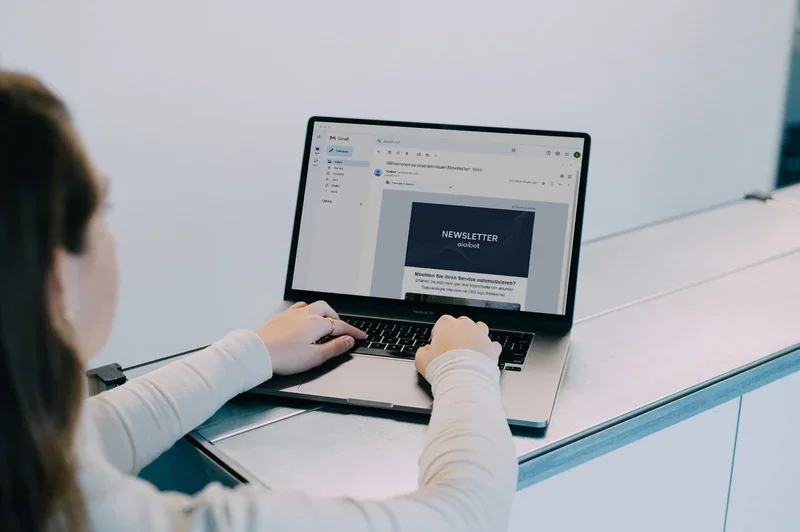
A newsletter sponsorship looks like the simplest buy in independent media — one slot, one price, one send — until you compare two of them. One kit quotes subscribers, the next quotes opens, a third sells a “bundle” you have to e-mail to unpack. We keep 53 newsletters in the MKDB database: 52 publish an audience figure and 28 publish a price, but only 13 publish audience, price and a public contact together. The other 40 are not hiding — their kits just answer the buying questions in a different order. Here is the order that works.
1. Price the open, not the subscriber
A subscriber who never opens is inventory nobody saw. Before comparing two newsletters, convert both to one unit: cost per thousand opens — subscribers times open rate, then price divided by opens. Run it on three real kits in the database. HeyDesigner lists 10,250 subscribers at a 54.4% open rate and charges $380 an issue: roughly 5,600 opens, about $68 per thousand opens. CSS Weekly lists 43,000 subscribers at 36.82% and a $700 primary sponsorship: roughly 15,800 opens, about $44 per thousand. And JavaScript Weekly, the giant of the three at 179,802 subscribers and 38% opens, charges $3,590 for a primary slot on its Q2 2024 rate card — about $53 per thousand opens. The biggest list is not the most expensive audience, and the cheapest sticker is not the cheapest buy. Some sellers do this math for you: Market Bullets prices its primary at a $34 open-rate CPM, and Webretailer charges $90 per thousand opens. When a kit gives you subscribers but no open rate, that missing number is your first e-mail.

2. Test with the small slot, not the headline slot
Almost every newsletter sells a ladder, and the bottom rung exists so you do not have to bet the budget on fit. Dense Discovery sells its main sponsorship from $649 an issue — and a classified from $89. Columbus Navigator runs a $50 classified under a $150–200 sponsor slot. From Tyler, a local newsletter of 1,500 subscribers with a ~55% open rate, starts at $25 for a featured event. A classified will not make your quarter. It will tell you, for the price of a team lunch, whether these readers click and match the customer you actually have — before the primary slot asks for real money.
3. Ask what the kit leaves out: position, company and proof
Three questions decide what a sponsorship is really worth, and most kits answer none of them. Position: top of an issue and bottom of an issue are different products wearing the same name. Company: who else is in that send? Exclusivity is sometimes built in — Dense Discovery sells one main sponsor per issue, and Uneed Weekly takes a single sponsor per issue at $249 — and sometimes your closest competitor sits two paragraphs below you. Proof: what comes back after the send — opens, clicks, or silence? Agree the report before the money moves, while you still have something the seller wants.
4. Judge on the second send, not the first
A newsletter is a habit, not a billboard. Readers trust the writer, and your first appearance borrows that trust. One send measures the weather — the day, the subject lines around yours, the news cycle. Two or three sends measure the audience. The sellers price for exactly that: HeyDesigner drops from $380 to $320 an issue when you book more than one, and Uneed’s three-issue bundle brings its $249 slot down to $199 an issue. They are not being generous; repeat exposure is the product. Book the test as a short run from the start, write your success number down before the first send, and let the run — not one morning’s inbox — make the call.
Start where the numbers are public: every newsletter here is in the database with its source kit attached, and the 25 that publish an audience but no price are one claim away from completing the picture. In a medium built on trust, the most honest sentence in a media kit is still a price anyone can check.
Browse the database behind this post
Every figure here comes from a profile in the open MKDB database — with its source.
Search the database